
Summary
- Colombia Christmas Traditions start early with candlelit nights, neighborhood gatherings, and a “the season is on” feeling that hits fast.
- The heart of christmas traditions in colombia is community: Novenas, carols, shared desserts, and open-door hospitality.
- Light shows (especially Medellín’s famous displays) turn whole cities into walkable festivals.
- Food is non-negotiable: natilla, buñuelos, tamales, and hot drinks show up night after night.
Introduction: why colombia christmas traditions feel different
If you’ve only experienced Christmas as a quiet, cold, indoor holiday, colombia christmas traditions can feel like a warm shock, in the best way. Christmas in colombia is loud, bright, social, and stretched across weeks, not days, truly. People don’t just “decorate.” They gather, sing, pray (sometimes), eat (always), and turn streets into public living rooms.
In this guide you’ll learn what are Christmas traditions in colombia and why they matter. We’ll walk through the calendar, the most iconic rituals, regional variations, and the practical details that make Christmas traditions in colombia South America so memorable. Along the way, you’ll get simple do’s and don’ts so you can join in without feeling like an outsider.
The season timeline: a calendar of colombia christmas traditions
One reason colombia christmas traditions feel intense is that the country treats December as a full season. Think of it less like “December 24–25” and more like a long build-up of lights, music, food, and family obligations.
Early December: candles and the unofficial kickoff
For many families, the emotional start of christmas traditions in colombia is Día de las Velitas (Little Candles Day), celebrated on the evening of December 7. Streets, windowsills, sidewalks, and doorways fill with candles and paper lanterns. Even if someone isn’t particularly religious, the ritual feels like a collective “we’re doing this together.”
You’ll also notice how quickly colombia traditions shift after this night: malls get packed, workplaces plan end-of-year parties, and neighborhoods begin hosting shared evenings of music and snacks. If you want to feel the start, show up for the candles.
Mid-December to Christmas Eve: nine nights of Novenas
From December 16 to 24, many households hold Novenas (Novena de Aguinaldos). This is one of the most defining colombia christmas traditions because it turns preparation into a repeated social event. Families rotate hosting duties, neighbors drop by, kids run around, and adults balance prayers with laughter and food.
December 24: Nochebuena is the main event
If you only have one night to understand Christmas in colombia, make it December 24. Nochebuena (Christmas Eve) is usually the bigger celebration than December 25. Dinners run late, gifts may be exchanged at midnight, and many people attend midnight Mass. Fireworks and music aren’t unusual, depending on the city and the family.
December 25 to early January: visiting, resting, and more lights
December 25 is often calmer—more sleep, leftovers, and visits. But the broader christmas traditions in colombia South America continue: light displays stay up, people travel to see family, and towns host festivals. In some places, the “holiday mood” lasts until Epiphany (January 6) or even beyond.
Faith and community: how Novenas anchor colombia christmas traditions
You’ll hear travelers ask: “Is Christmas in colombia mostly religious?” The honest answer is: it can be, but it’s also deeply cultural. Novenas are the best example. The structure is religious, yet the lived experience is often community-first. That blend is one reason colombia christmas traditions stay strong across generations.
What a Novena night looks like
A typical Novena night blends routine and improvisation:
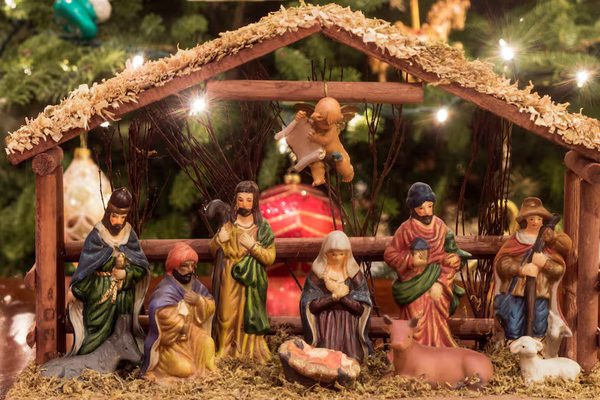
- Someone sets up a small altar or nativity scene (pesebre) with the Baby Jesus figure kept aside until Christmas.
- The group reads prayers and short reflections. Different people take turns reading.
- Everyone sings villancicos (carols), often with clapping, maracas, or whatever is nearby.
- Then the real magnet happens: snacks and desserts—usually natilla and buñuelos—plus hot chocolate, coffee, or aguapanela.
If you’re thinking “this sounds formal,” don’t. In many homes it’s cheerful chaos. Kids get the loudest roles. Someone forgets the lyrics. Someone’s aunt starts a debate about whose natilla is best. That messiness is exactly why this is one of the most loved christmas traditions in colombia.
Why Novenas matter beyond religion
Novenas do three powerful things for colombia traditions:
- They schedule togetherness. Nine nights means you can’t “forget” to see people.
- They create shared language. Even if you don’t pray, you learn the rhythm of the season.
- They lower the barrier to community. You can show up, sing a little, eat a little, and feel included.
If you’re visiting and a family invites you to a Novena, say yes. It’s the closest you’ll get to the heart of colombia christmas traditions in one evening.
Quick etiquette for joining a Novena
- Arrive close to the start time; people may be flexible, but the reading usually begins.
- Dress casual-neat. You don’t need “church clothes,” but avoid looking sloppy.
- If you can, bring something small: cookies, fruit, or a soft drink. It signals respect.
- Don’t overthink the prayers. Stand when others stand, sit when others sit, and follow along quietly.
Light as a national obsession: candles and city displays
When people picture Christmas traditions in colombia South America, they often picture lights. And they’re not wrong. Colombia doesn’t do subtle, and colombia christmas traditions love any excuse to turn darkness into a shared party.
Día de las Velitas: small flames, big meaning
Día de las Velitas is visually simple: candles and lanterns. But emotionally, it’s massive. Families place lights at doors and windows as a sign of hope, gratitude, and the start of the season. Neighborhoods compete (friendly or not) over who creates the prettiest display.
If you want a reliable, locally oriented overview of how people celebrate—candles, lights, novenas, games, and sweets—this official guide is a solid starting point: Colombia.co’s “Five ways to celebrate Christmas in Colombia”. (colombia.co)
Medellín and the “Alumbrados” phenomenon
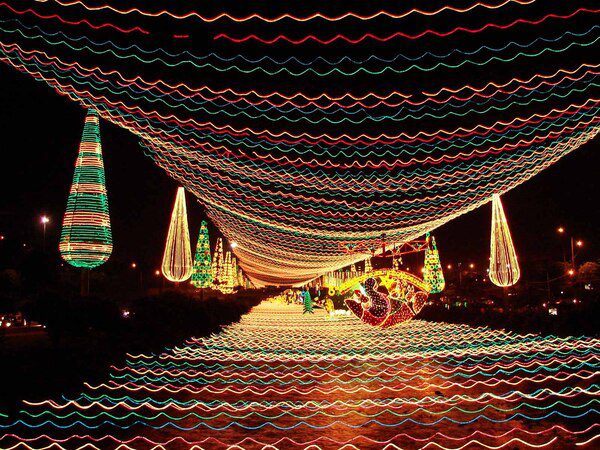
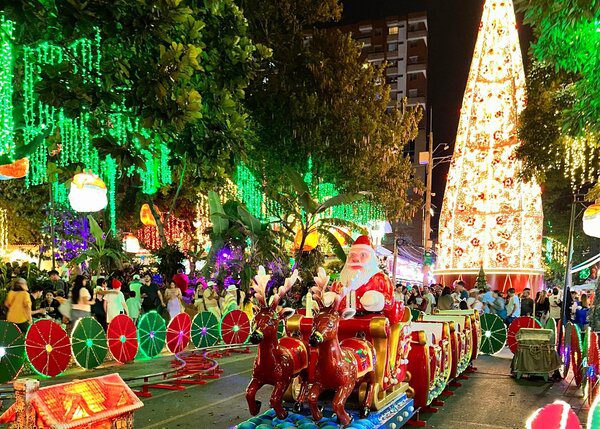
Medellín is famous for Alumbrados—large-scale Christmas light installations that turn public areas into night-time walking routes. It’s not just decoration; it’s an event with crowds, vendors, and photo stops. For many travelers, this is the most “wow” moment inside colombia christmas traditions.
If you want current, practical details (routes, maps, schedules) straight from the source, use EPM’s official page: Alumbrados EPM 2025. (epm.com.co)
How to enjoy the lights without hating your life
Lights are joyful, but crowds are real. These tips make colombia christmas traditions feel fun instead of exhausting:
- Go early in the evening if you dislike dense crowds.
- Keep your phone tucked away when walking in busy areas; take photos, then pocket it.
- Use comfortable shoes. These routes are longer than they look.
- Eat before you go, or accept you’ll end up buying street snacks at peak prices.
Check out our recommended guide below, to experience this season by yourself.
Music, dance, and noise: the soundtrack of colombia christmas traditions
Silence is not a core value in colombia traditions—especially in December. Music is everywhere: homes, streets, stores, and buses. That constant sound is part of the emotional glue of the season, and it shapes christmas traditions in colombia in a very physical way.
Villancicos and “anything you can clap to”
Carols (villancicos) show up in Novenas and family gatherings, but they’re often performed with a distinctly Colombian energy—clapping, call-and-response, and improvised instruments. Don’t be surprised if a “carol” turns into a mini dance break.
Parrandas and street energy
In many regions, you’ll hear about parrandas—informal parties that can include live music, dancing, and neighbors dropping in. The line between “family gathering” and “block party” gets thin. For visitors, this is the moment you realize traditions in colombia for Christmas are social by default.
A practical note about fireworks and sound
Some neighborhoods use fireworks, especially around Christmas Eve and New Year’s. If you have pets, sensitive hearing, or just want quiet sleep, plan for it. Earplugs aren’t dramatic—they’re smart.
Aguinaldos games: playful colombia christmas traditions you can actually join
If your mental image of colombia christmas traditions is “candles + church + dinner,” you’re missing the mischievous side. Across the country, people play aguinaldos games during the Novena period. They’re simple, low-stakes, and built to create laughter (and minor chaos).
Why these games exist
Aguinaldos games do something clever: they turn “waiting for Christmas” into daily entertainment. They also give kids and shy adults a way to participate without needing to sing or pray. If you want to feel christmas traditions in colombia from the inside, learn one game and commit to it.
Classic aguinaldos games you’ll hear about
Different regions name and tweak the rules, but these are common patterns:
- “Sí, pero no” (Yes, but no): you try to get someone to say “yes” or “no.” If they slip, they owe a small prize.
- “Pajita en boca” (Straw in the mouth): you keep a straw between your lips all day. If you catch someone without one, you win.
- “Tres pies” (Three feet): you must never stand alone; if someone finds you by yourself, you lose.
- “Dar y no recibir” (Give and don’t receive): you offer objects or food; the trick is to refuse anything offered back.
The “prize” is usually small: candy, a coin, a snack, or a silly task. The point isn’t money. The point is attention and laughter—core ingredients in colombia christmas traditions.
How to play without being annoying
Here’s where most visitors mess up. They go too hard, too fast.
- Start by watching. Learn the vibe before you start trapping people.
- Don’t target kids like it’s a competition. You’ll lose anyway.
- Keep it light. If someone seems irritated, drop it.
- If you lose, pay the prize immediately and laugh. That’s the social contract.
Food in colombia christmas traditions: what you’ll taste again and again
If you try to understand colombia christmas traditions without talking about food, you’ll miss the point. Food is the language of care. And yes, people will judge you (lovingly) if you refuse a second serving.
1. The holy duo: natilla and buñuelos
Two staples show up across the country and define christmas traditions in colombia:
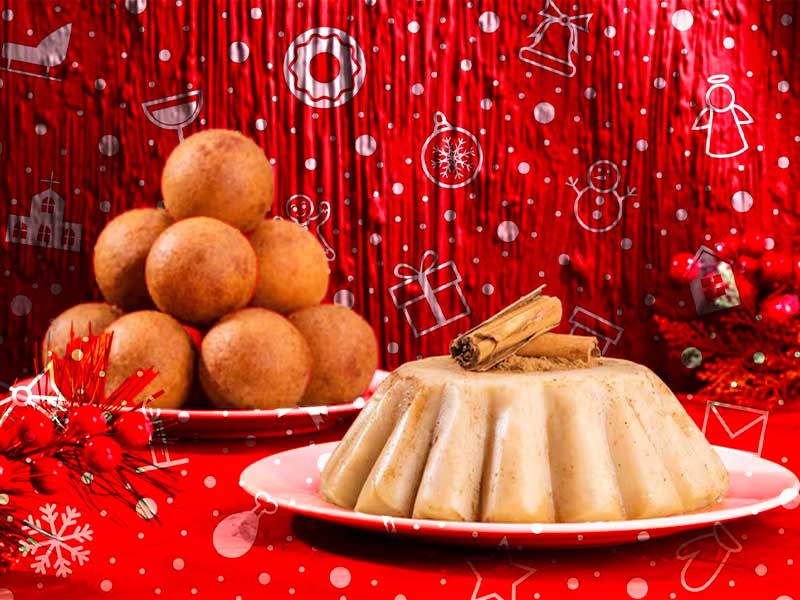
- Natilla: a sweet, milk-based custard set into slices, often flavored with cinnamon or panela.
- Buñuelos: fried dough balls, commonly with cheese, crispy outside and airy inside.
They’re not “optional treats.” They’re social proof that the season is happening. You’ll see them at Novenas, in offices, and on family tables. And once you’ve had fresh buñuelos, you’ll understand why colombia christmas traditions don’t apologize for repeating themselves.
2. Other classics you’ll run into
Depending on region and family:
- Tamales wrapped in leaves (often a Christmas morning staple).
- Lechona (stuffed roasted pork), especially for big gatherings.
- Hojuelas (thin fried pastries) dusted with sugar.
- Empanadas and arepas as all-purpose crowd food.
- Hot chocolate with cheese (yes, cheese) in some regions—don’t panic, try it.
3. Quick dessert pairings that locals love
- Natilla + black coffee if you like contrast.
- Buñuelos + hot chocolate if you want comfort.
- Hojuelas + aguapanela if you want something light but sweet.
Drinks and toasts: what people actually sip in Christmas in colombia
Food gets the spotlight, but drinks hold the night together. In colombia christmas traditions, drinks aren’t just beverages—they’re pacing tools. They keep conversations going while people snack, sing, and argue about which cousin is arriving late.
Hot chocolate: comforting and surprisingly serious
Colombian hot chocolate can be richer than what you’re used to. In some regions, people add cheese and let it soften in the cup. That sounds wrong until you try it. The salty-soft bite against the sweet chocolate is a classic “I hate this… wait, I love this” moment for visitors experiencing christmas traditions in colombia.
Aguapanela and canelazo: warm sweetness with attitude
Aguapanela is hot water infused with panela (unrefined cane sugar), sometimes with lemon. Canelazo adds cinnamon and often a splash of aguardiente. It’s especially common in cooler places like Bogotá and the highlands. If you’re walking light routes at night, a warm drink is part of the comfort of Christmas traditions in colombia South America.
Sabajón and holiday cocktails
Some families serve sabajón, a creamy, eggnog-style drink (often with alcohol). Others mix modern cocktails. Again, colombia christmas traditions are flexible: tradition gives you the baseline, and families improvise the rest.
A simple rule about toasts
If someone offers a toast, join it—at least with water. Declining can feel awkward. You don’t need to drink alcohol to participate. You just need to be present, because presence is the real currency of colombia christmas traditions.
Home rituals: decorating, pesebres, and the Niño Dios
Beyond public lights and group gatherings, colombia christmas traditions live inside homes. The home is where the season becomes personal, and where traditions in colombia for Christmas become family signatures.
The pesebre: more than a nativity scene
A pesebre is a nativity scene, but many Colombian families treat it as a creative project. Some build miniature landscapes with moss, rivers made of foil, tiny houses, and animals. Kids help place figures. Adults argue about where the wise men should “arrive from.”
In some homes, the Baby Jesus figure is placed only on Christmas Eve. That small act becomes a little moment of drama and tenderness. It’s a tiny ritual, but it shows how colombia christmas traditions turn symbolism into something you can touch.
Gift-giving: who brings the presents?
In many families, gifts are linked to the Niño Dios (Baby Jesus) rather than Santa. That doesn’t mean Santa doesn’t exist—he’s everywhere in malls—but the cultural story often centers on family and faith. This is one of those subtle differences that makes christmas traditions in colombia South America feel distinct.
Midnight moments: Mass, prayers, or just togetherness
Some families go to midnight Mass. Others stay home, pray briefly, then eat and talk until late. The key is togetherness. If you’re expecting a strict script, you’ll be disappointed. Colombia traditions vary by family, not just by region, which is why colombia christmas traditions can feel both familiar and surprising.
Regional flavor: how colombia christmas traditions change across the country
Here’s the truth: anyone who talks about “one” set of christmas traditions in colombia is oversimplifying. Colombia has strong regional identities, and December reflects that.
Antioquia and Medellín: lights, pride, and big crowds
In Antioquia, the light culture is especially intense. Medellín’s Alumbrados are the headline, but smaller towns also go hard on decorations and community events. Expect huge public participation and lots of night walking. If you’re chasing the “festival” side of colombia christmas traditions, start here.
Bogotá and the highlands: cooler nights, cozy drinks
In Bogotá and surrounding highland regions, nights can be cold. Hot drinks become more central—canelazo, coffee, chocolate. You’ll also see elaborate nativity scenes and family gatherings that lean slightly more “indoors” compared to warmer regions.
Caribbean coast: beach weather and different timing
On the coast (Cartagena, Barranquilla, Santa Marta), Christmas in colombia happens in heat. Gatherings can spill outdoors, and the vibe can feel more like a summer festival with holiday symbols layered on top. Seafood and coastal dishes often join the table.
Coffee region: family tables and small-town warmth
In the coffee region, many traditions feel deeply familial: home cooking, neighbor visits, and town-square lights. If you want a “slower” version of colombia christmas traditions, smaller towns can feel more intimate than major cities.
Mini takeaway: the core is shared—candles, Novenas, food, lights—but the volume, timing, and flavors shift by region.
Town festivals and public culture: beyond the family table
People often assume christmas traditions in colombia happen only at home. Not true. December is a public season. Town squares host events, churches stage concerts, and parks become meeting points.
The plaza effect: why town squares matter
In many Colombian towns, the main plaza is where people “confirm” the season: you see the lights, hear the music, and run into someone you know. Vendors sell snacks and small toys. Kids chase each other. Adults talk in circles for hours. This is the kind of slow social time many visitors forget exists.
Markets, crafts, and informal street food
You’ll find pop-up stalls selling ornaments, handmade gifts, and seasonal snacks. The quality varies, so use common sense. If something looks homemade and the seller can explain it proudly, that’s usually where the best souvenirs live.
A note on religious events and processions
Some cities and towns host processions, concerts, or church events tied to the season. You don’t need to be religious to attend respectfully. Just dress modestly and keep your phone use polite. In colombia traditions, public reverence is less about your beliefs and more about your behavior.
Visiting guide: how to experience colombia christmas traditions respectfully
If you’re coming to Colombia in December, don’t just “watch” the culture. Participate—politely. Your attitude determines whether christmas traditions in colombia feel welcoming or awkward.
What to wear and bring
- Dress for the region: Bogotá nights can be chilly; coastal cities won’t be.
- Bring a small gift when visiting a home: dessert, fruit, flowers, or a local treat.
- Carry small cash for snacks and transport, but don’t flash it.
Timing: Colombia runs late in December
If someone says “come at 7,” you might arrive at 7 and find people still showering. That doesn’t mean you’re wrong. It means you’re foreign. In colombia christmas traditions, social time is elastic. A good strategy: arrive close to the agreed time, then relax and match the energy of the host.
Phrases that make you sound less clueless
You don’t need perfect Spanish, but a few phrases help:
- “¡Feliz Navidad!” (Merry Christmas)
- “¡Felices fiestas!” (Happy holidays)
- “Gracias por invitarme” (Thanks for inviting me)
Safety without paranoia
Christmas in colombia is festive, but it’s still a real country with real risks. In crowded light routes:
- Keep valuables minimal.
- Avoid isolated streets after late hours.
- Use official taxis or ride-hailing apps when available.
The biggest mistake visitors make
Treating colombia christmas traditions like a tourist show. They’re not. They’re personal. Ask questions, accept food, and don’t dominate conversations with comparisons to “back home.” Your job is to learn, not to judge.
Frequently Asked Questions
What are Christmas traditions in colombia?
Common colombia christmas traditions include Día de las Velitas (candles), Novenas from Dec 16–24, big Christmas Eve dinners, carols, public light displays, aguinaldos games, and shared foods like natilla and buñuelos.
When is Día de las Velitas celebrated?
It’s celebrated on the evening of December 7, often seen as the unofficial start of Christmas in colombia. (colombia.co)
Do Colombians celebrate Christmas on December 24 or 25?
Both, but Christmas Eve (Nochebuena) is usually the main celebration with late dinner, family time, and often gift-giving at midnight.
Are Novenas only for religious families?
Not always. Many people join because it’s a beloved cultural tradition and a reason to gather, sing, play, and share food—even if faith isn’t the focus.
What do people eat for Christmas in colombia?
You’ll commonly see natilla, buñuelos, tamales, hojuelas, empanadas, and regional dishes like lechona or soups, plus hot chocolate, coffee, or aguapanela.
What are “aguinaldos” games in Colombia?
They’re playful challenges during the Novena season (like trying to catch someone saying “yes” or “no”) where the winner gets a small prize. They’re a fun part of colombia traditions.
Is Medellín really the best city for Christmas lights?
Medellín is one of the most famous thanks to the Alumbrados organized by EPM, with routes and maps published officially each year.
How long does the Christmas season last in Colombia?
For many people it runs from early December (often starting with candles) through late December, and light displays and festivities can continue into early January.
What should I bring if I’m invited to a Colombian Christmas gathering?
A small dessert, fruit, flowers, or drinks is usually appreciated. Show up ready to eat, socialize, and stay later than you expect.